
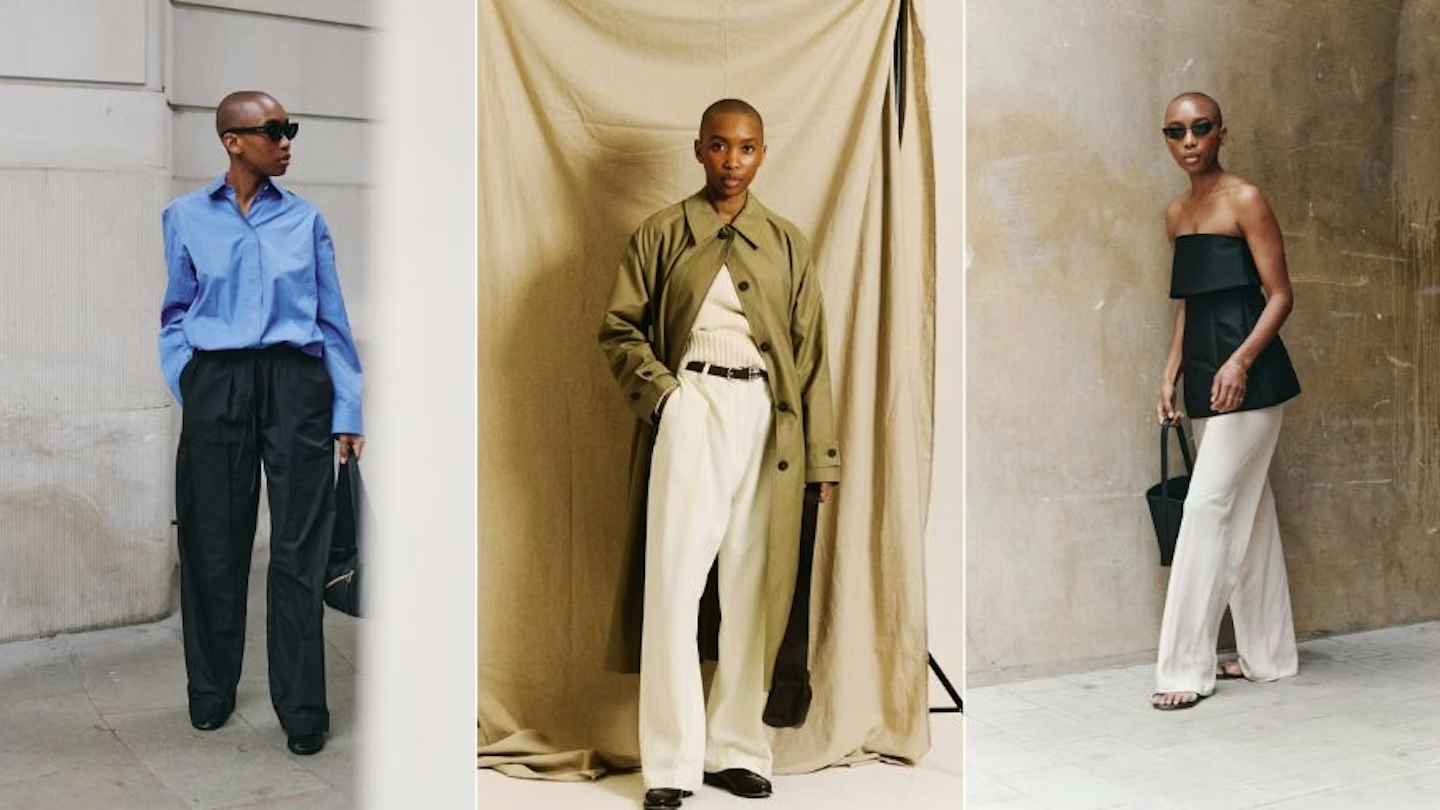
Formed for the Future: The Sustainable Power of Structure
In the modern fashion discourse, “sustainability” is often used as a marketing buzzword, usually associated with organic fibers or recycled plastics. However, there is a deeper, more structural side to environmental ethics that is often overlooked: Longevity through Form. A brand that embraces the “99 Formed” philosophy understands that the most sustainable garment is not just the one made from the right materials, but the one designed never to be replaced.
The Problem with “Fluid” Fashion
The environmental crisis in the garment industry is largely driven by “structural failure.” Most fast-fashion items are designed with a high https://www.99formed.com/ level of fluidity and low textile density. While this makes them cheap to produce and light to ship, it also makes them incredibly fragile. Within a few months of wear, these garments lose their “form”—collars begin to curl, side seams twist around the body, and the fabric thins at points of tension.
When a garment loses its shape, it loses its value to the consumer. It is relegated to the back of the closet or, worse, the landfill. This is where the structural movement changes the game. By prioritizing a “formed” silhouette from the beginning, designers are creating clothing that is physically engineered to resist the passage of time.
Engineering as an Eco-Friendly Act
A structural approach to fashion is an act of engineering. It involves using heavyweight textiles, reinforced stitching, and “locked” seams that maintain the garment’s geometry year after year.
-
Tension Management: Structural garments are designed to distribute the stress of movement across the entire piece rather than pulling at a single thread.
-
Fiber Integrity: Using high-density weaves (like 400+ GSM cotton) ensures that the fabric does not “pill” or thin out, maintaining a premium look even after hundreds of wash cycles.
When a hoodie or a pair of trousers is “formed” to perfection, it becomes a permanent resident of your wardrobe. You no longer need to buy a replacement every season because the original still looks exactly as it did on day one. This reduction in consumption is the truest form of sustainability.
The Aesthetic of Permanence
There is also a psychological element to this sustainable future. Structural fashion tends to favor timelessness over trends. Because the focus is on the architecture of the piece—the drop of the shoulder, the curve of the sleeve, the weight of the hem—it doesn’t rely on seasonal “gimmicks” to stay relevant.
A well-formed piece of clothing feels like an investment. It carries a sense of weight and importance that discourages “disposable” thinking. When you wear a garment that feels like a piece of equipment, you treat it with more care. You move away from the “buy-and-discard” mentality and toward a philosophy of curation.
Conclusion: Designing for the Century, Not the Season
The future of fashion lies in the “Formed” ideal. By shifting our focus from how a garment looks on a runway to how it holds its shape over a decade, we are building a more responsible industry. Sustainability isn’t just about what the fabric is made of; it’s about how long that fabric remains a functional, beautiful part of your life.
In the end, “Formed for the Future” means creating a world where we own fewer things, but the things we do own are built with the integrity to last a lifetime. Structure is not just a style choice—it is a commitment to a better, more enduring world.
 carleyfoulds0
 hattie5585
 minervaloftus