
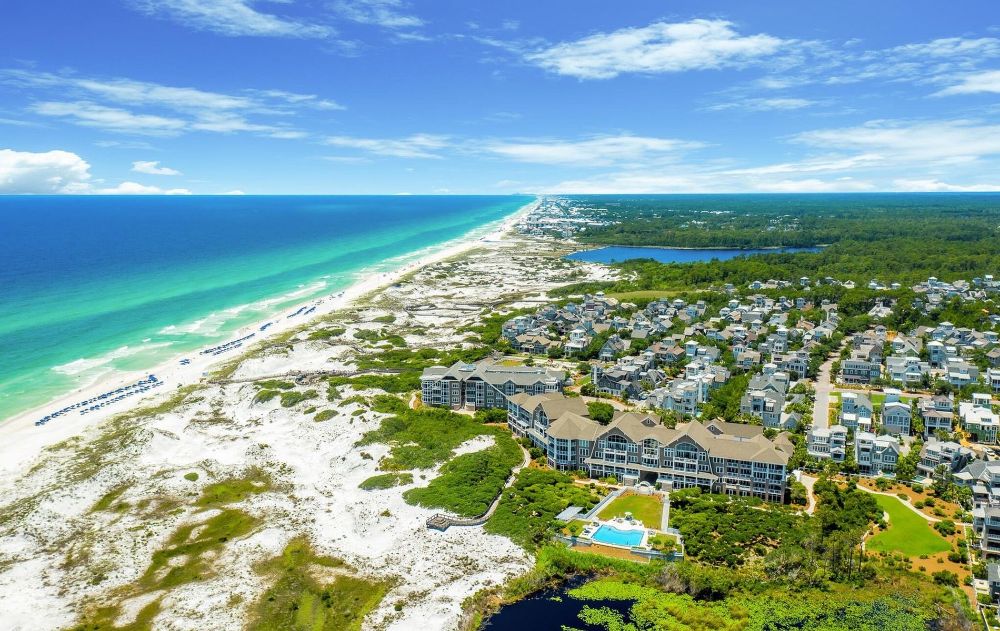
The Economic Ripple Effect: How Coastal Resorts Support Local Communities
The presence of a major establishment like the Sea Princess Beach Resort in regions like Dapoli or Wandoor does more than provide a bed for travelers; it acts as a vital economic engine for the surrounding villages. In many coastal areas of India, the traditional economies—primarily fishing and small-scale agriculture—are increasingly supplemented by a “hospitality ecosystem.” This symbiotic relationship between the resort and the local community is essential for sustainable regional development.
One of the most immediate impacts is direct and indirect employment. Beyond the staff working within the resort—ranging from hospitality management to culinary teams—there is a vast network of local entrepreneurs who https://www.seaprincessresort.com/ benefit from the influx of visitors. For instance, in Dapoli, the local transportation sector thrives as auto-rickshaw drivers and private taxi operators provide tours to nearby forts and temples. Similarly, in Wandoor, local boatmen who have navigated these waters for generations find a steady stream of income by ferry travelers to the Mahatma Gandhi Marine National Park for snorkeling and glass-bottom boat tours.
The supply chain is another critical area of impact. Resorts often prioritize sourcing fresh ingredients locally to ensure quality and reduce their carbon footprint. This creates a reliable market for local fishermen, who can sell their daily catch—pomfret, kingfish, and prawns—directly to the resort’s kitchen. Likewise, farmers in the Konkan belt or the Andaman hinterlands find a consistent buyer for seasonal fruits like mangoes, coconuts, and bananas. This “farm-to-table” (or sea-to-table) pipeline ensures that a significant portion of the tourist’s expenditure stays within the local economy.
Furthermore, tourism often drives infrastructure improvements that benefit residents and visitors alike. The need for accessible resorts often leads to better road maintenance, improved waste management systems, and more reliable electricity and water services in previously neglected rural pockets. For example, the development of Wandoor as a destination has necessitated clearer signage and safer jetty facilities, which are used by locals every day.
Finally, there is the element of cultural preservation. When travelers show interest in local crafts, traditional music, or regional cooking styles, it provides an incentive for the younger generation to maintain these traditions. Many resorts host “local nights” where artisans can showcase their work, from coconut shell carvings in the Andamans to intricate woodwork in Maharashtra. While the guests leave with a deeper understanding of the region’s heritage, the community gains the financial means and the pride necessary to keep their unique culture thriving in a rapidly modernizing world. Thus, the resort becomes more than a place to stay—it becomes a bridge between two worlds.
 ethelyyh50587325
 bufordwehrle8
 shelbycowart75