
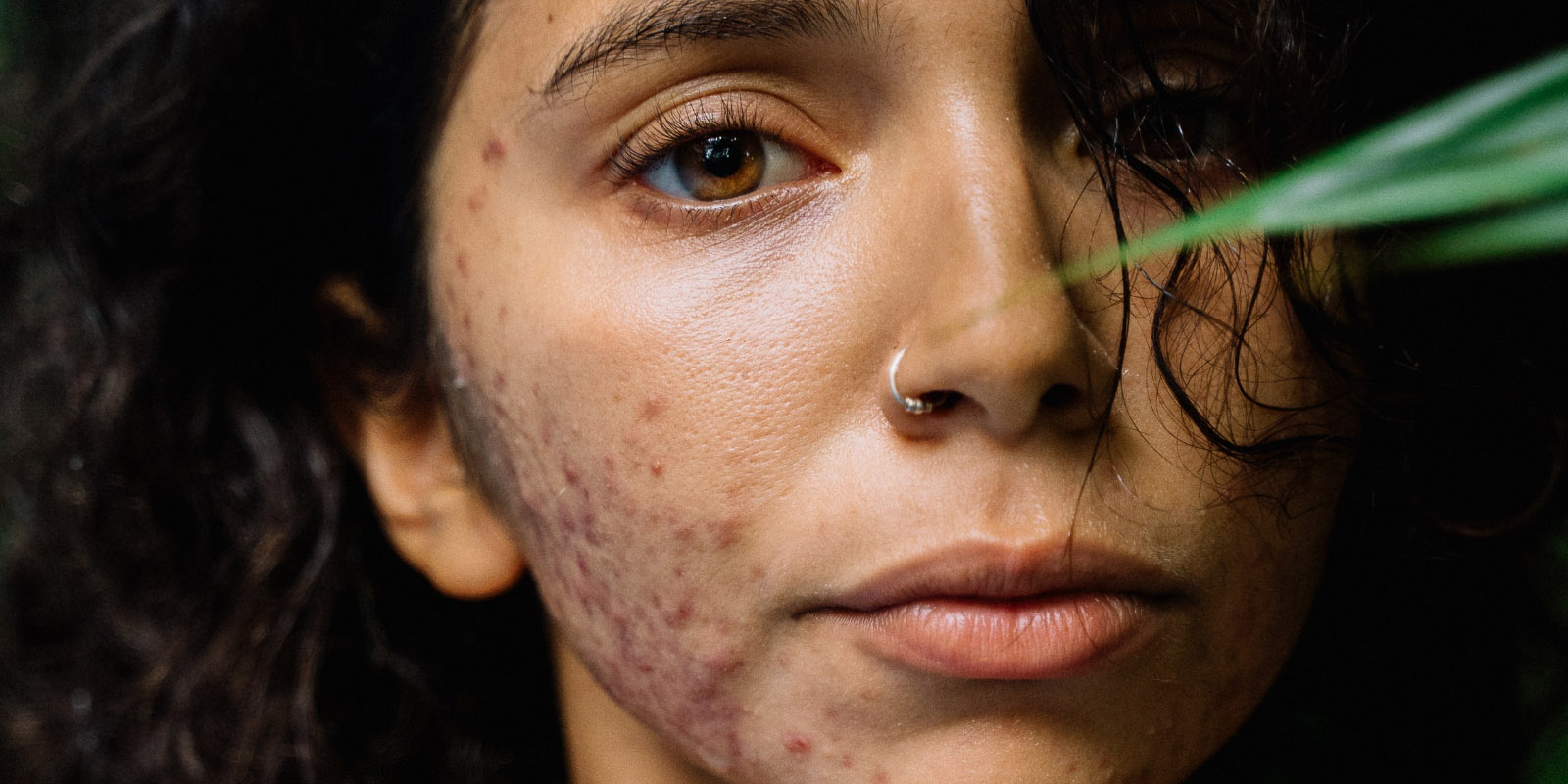
Beyond the Surface: How Modern Dermatology Impacts Mental Wellness
For decades, dermatology was viewed through a strictly clinical lens—a branch of medicine concerned with ointments, biopsies, and physical symptoms. However, as our understanding of the brain-skin axis evolves, we are discovering that the state of our skin is inextricably linked to our psychological health. Modern dermatology is no longer just about clear skin; it is about the restoration of the self.
The Invisible Weight of Skin Conditions
The skin is the most visible part of our identity. It is the interface through which we interact with the world. When that interface is compromised by conditions like severe acne, psoriasis, vitiligo, or chronic hair loss, the impact is rarely “just skin deep.”
Studies in Psychodermatology—the field addressing the interaction between the mind and the skin—show that patients with visible https://www.drtitoriaclinics.com/ skin differences often experience higher rates of social anxiety, depression, and body dysmorphic disorder. The “invisible weight” of a flare-up can lead individuals to withdraw from social commitments, avoid professional opportunities, and suffer a significant decline in quality of life.
The Biological Feedback Loop
The connection between the mind and skin is a two-way street. Stress isn’t just a feeling; it is a chemical event. When the brain perceives stress, it releases cortisol, which can:
-
Increase oil production, leading to stress-induced acne.
-
Weaken the skin’s barrier, making it more susceptible to irritants.
-
Exacerbate inflammatory conditions like eczema or hives.
This creates a frustrating cycle: a skin flare-up causes emotional stress, and that very stress prevents the skin from healing, leading to further physical symptoms.
Healing Through Transformation
This is where the role of the modern dermatologist becomes transformative. When a practitioner provides an effective treatment plan—whether it’s a targeted biological therapy for psoriasis or a successful hair restoration procedure—they are doing more than healing tissue. They are breaking the cycle of distress.
The psychological “boost” that follows a successful dermatological intervention is often profound. As the physical symptoms clear, patients frequently report:
-
Renewed Social Confidence: A willingness to engage in eye contact and social gatherings without the “shield” of heavy makeup or hats.
-
Professional Empowerment: Increased confidence in public speaking or workplace interactions.
-
Reduced Hyper-vigilance: Moving away from the constant checking of mirrors or the fear of how others perceive their “flaws.”
A Holistic Future
Today’s leading clinics, such as Dr. Titoria’s Clinics, recognize that a prescription is only one part of the cure. A holistic approach involves validating the patient’s emotional struggle, managing expectations with empathy, and providing a safe space where aesthetic concerns are treated with medical seriousness.
In 2026, the goal of dermatology has shifted. We are moving toward a future where “clear skin” is seen as a gateway to a clear mind. By treating the surface, we provide the patient with the freedom to stop worrying about how they look and start focusing on how they live. After all, the greatest result of any skin treatment isn’t what people see in the mirror—it’s how they feel when they step away from it.
 hattie5585
 shelbycowart75
 lilly4173499