
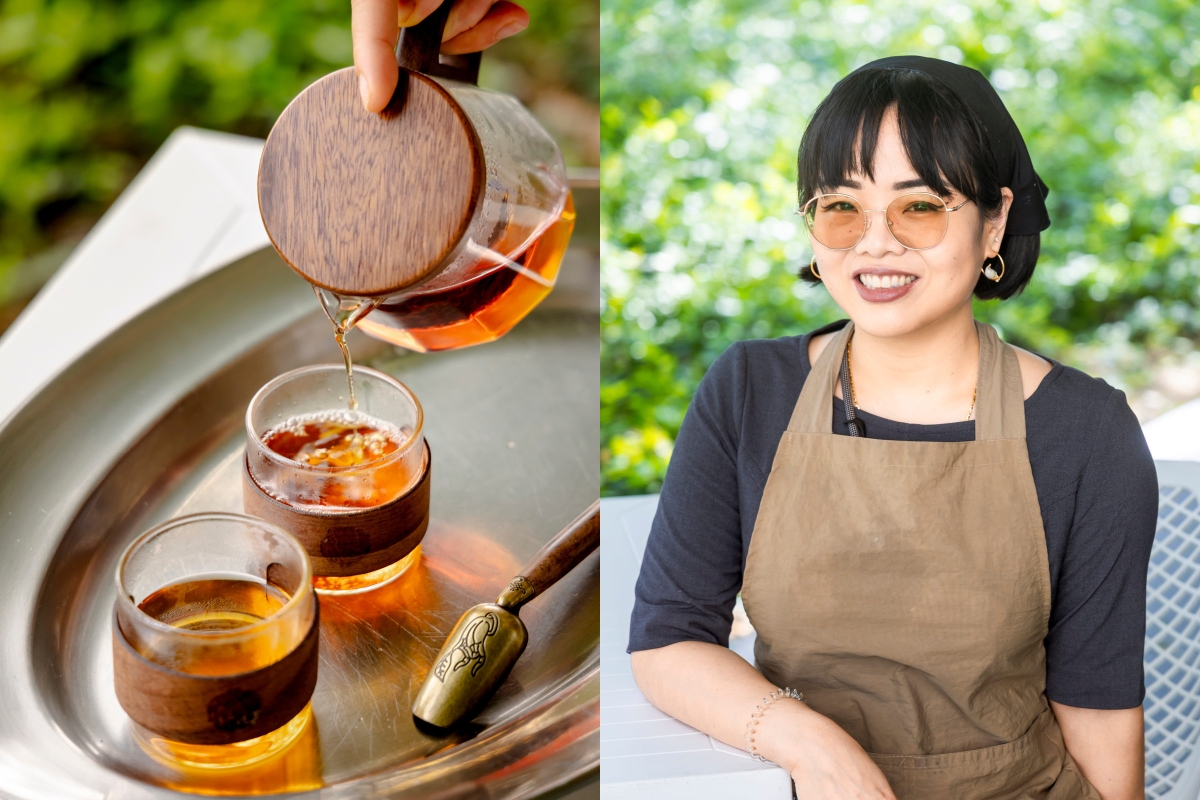
Tea Time Experience: Exploring Cafés, Shops, and Global Tea Culture
Tea is more than just a drink—it is a shared ritual, a cultural bridge, and a daily comfort that connects people across continents. From quiet cafés tucked into city corners to traditional tea houses steeped in history, the tea time experience offers a journey through flavors, stories, and lifestyles. Exploring cafés, specialty shops, and global tea culture reveals how this ancient beverage continues to evolve while preserving its timeless charm.
The Modern Café Tea Experience
In today’s fast-paced world, tea cafés have become peaceful retreats where people slow down and reconnect. Unlike traditional coffee-focused spaces, modern tea cafés emphasize mindfulness, variety, and atmosphere. Visitors can find everything from classic black teas and herbal infusions to creative blends like lavender earl grey or matcha coconut lattes.
Many cafés design their interiors to enhance relaxation—soft lighting, wooden textures, and minimalistic décor create a calm environment. These spaces are not just about drinking tea; they encourage reading, conversation, or simply enjoying a moment of stillness. In many urban areas, tea cafés have become cultural hubs where artists, students, and professionals gather to unwind.
Specialty Tea Shops and Curated Blends
Beyond cafés, specialty tea shops play an important role in shaping modern tea culture. These shops often focus on sourcing high-quality leaves from regions such as China, India, Japan, and Sri Lanka. Customers are introduced to a wide range of loose-leaf teas, each with its own origin story and flavor profile.
A visit to a tea shop is often an educational experience. Tea experts or “tea sommeliers” guide customers through tasting notes, brewing techniques, and the differences between oxidation levels or leaf grades. Whether it’s a smoky Lapsang Souchong or a delicate white peony tea, each cup reflects craftsmanship and tradition.
Packaging also adds to the experience—elegant tins, hand-labeled pouches, and eco-friendly materials make tea purchasing feel like a ritual rather than a transaction. Many shops even allow custom blending, where customers can create their own signature tea mix.
Global Tea Culture: A Shared Tradition
Tea culture varies widely across the world, yet it always carries a sense of ritual and meaning. In Japan, the traditional tea ceremony emphasizes harmony, respect, purity, and tranquility. Every movement in the preparation of matcha is intentional and symbolic.
In China, tea culture dates back thousands of years, with gongfu tea ceremonies highlighting precision and appreciation of aroma and taste. Tea is often shared among family and guests as a sign of hospitality and connection.
Meanwhile, in countries like the United Kingdom, afternoon tea is a cherished social tradition. Served with pastries, sandwiches, and scones, it represents elegance and relaxation. In India, chai is deeply woven into daily life, often brewed with spices like cardamom, ginger, and cloves, creating a bold and comforting flavor.
The Emotional Comfort of Tea Time
Beyond geography and tradition, tea time is ultimately about comfort. It is a moment of pause in a busy day, a chance to reflect or connect with others. Whether enjoyed alone in a quiet café or shared with friends at home, tea has a unique ability to create warmth and calm.
As global tea culture continues to grow, it blends tradition with innovation. Cold brews, bubble tea, herbal wellness blends, and artisanal café creations show how adaptable tea has become while still honoring its roots.
Conclusion
The tea time experience is a beautiful intersection of culture, taste, and human connection. From specialty cafés and curated tea tea time boba shops to centuries-old traditions around the world, tea remains a universal language of comfort and hospitality. No matter where it is enjoyed, a cup of tea always offers something timeless—a moment to slow down and simply be present.
 theodore19w
 minervaloftus
 shelbycowart75